Insights
From Static Directories to Live Ecosystem Intelligence: The Next Layer of MiniApps
February 16, 2026
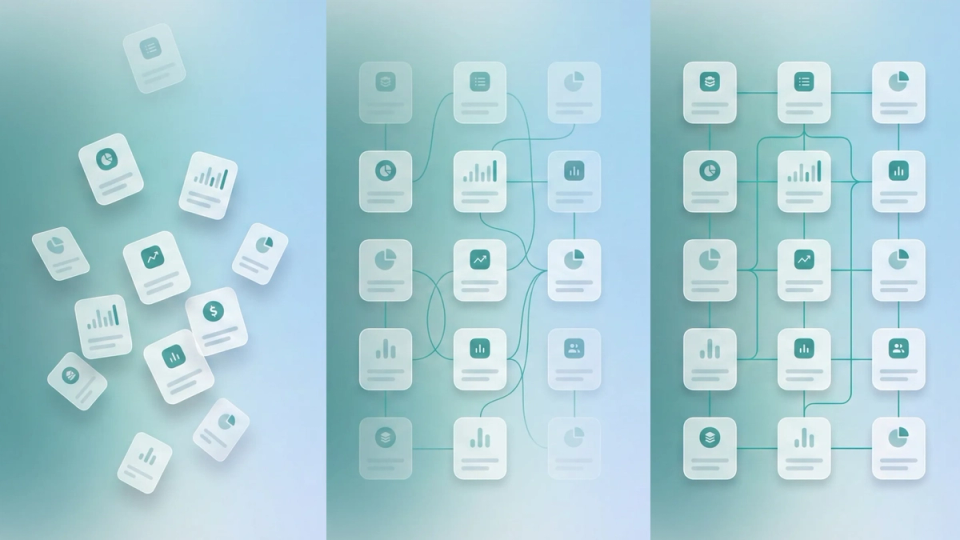
MiniApps are growing fast, but most directories are static and fragmented. The future is not just listing MiniApps, but structuring live ecosystem data into usable intelligence.
Introduction
MiniApps are no longer experimental.
Across ecosystems, lightweight embedded applications are becoming a primary way users interact with onchain tools, wallets, social platforms, and community hubs.
But while MiniApps evolve quickly, the way we track and discover them has not.
Most directories are static.
Most lists are incomplete.
Most data is fragmented.
To support real ecosystem growth, we need more than catalogs.
We need live ecosystem intelligence.
The Limitation of Static Lists
A typical directory does one thing: list apps.
That is useful, but limited.
Static directories usually:
- Require manual updates
- Miss new releases
- Contain outdated links
- Lack structured metadata
- Offer little filtering or insight
As ecosystems grow, manual curation does not scale.
MiniApps move fast.
Data changes frequently.
Builders ship continuously.
Static lists cannot keep up with dynamic ecosystems.
What Makes MiniApps Different
MiniApps are inherently dynamic.
They often:
- Ship iteratively
- Integrate with evolving APIs
- Connect to wallet activity
- Depend on real-time ecosystem data
This means their discovery layer should also be dynamic.
A modern MiniApp directory should not only answer:
- What exists?
It should also help answer:
- What is active?
- What is trending?
- What ecosystem does this belong to?
- When was it last updated?
- How does it connect to other apps?
This is where data structure becomes powerful.
From Listings to Structured Data
When MiniApps are structured properly, we unlock:
- Clean categorization
- Ecosystem segmentation
- Searchable metadata
- Scalable updates
- Analytics potential
Instead of a flat list, we get:
- Filterable interfaces
- Cross-ecosystem comparisons
- Growth tracking
- Discoverability improvements
The difference is subtle, but important.
A list is content.
Structured data is infrastructure.
Why Live Data Matters
If MiniApps are part of fast-moving ecosystems, the data layer must reflect that.
Live data pipelines allow:
- Automatic updates
- Reduced manual overhead
- Real-time ecosystem visibility
- Scalable growth
By pulling from APIs, structured sheets, and ecosystem endpoints, MiniApps Eco can transform fragmented data into a unified source of truth.
This creates value not just for users browsing apps, but for:
- Ecosystem teams
- Builders seeking visibility
- Analysts tracking growth
- Communities looking for signals
The directory becomes more than navigation.
It becomes intelligence.
The Role of MiniApps Eco
MiniApps Eco is designed as a structured, data-driven layer for MiniApps across ecosystems.
The goal is simple:
- Aggregate
- Normalize
- Structure
- Present clearly
But the impact is larger.
When MiniApps are structured consistently:
- Ecosystems become easier to explore
- Builders gain exposure
- Users discover faster
- Patterns become visible
Clarity accelerates growth.
The Bigger Shift
The web is becoming modular.
Instead of one large application, we see:
- Embedded tools
- Composable experiences
- Ecosystem-native interactions
MiniApps are a natural evolution of the web toward contextual, embedded functionality.
The platforms that organize this modular layer will shape how ecosystems scale.
MiniApps Eco aims to be part of that infrastructure.
Final Thoughts
MiniApps are not just a trend.
They are a distribution model.
As the number of MiniApps increases, structure becomes essential.
Static directories will not be enough.
The future belongs to platforms that turn fragmented listings into live ecosystem intelligence.
And we are building toward that future.